
Sustainable Villa Landscaping in Dubai: How Smart Irrigation Creates Resort-Style Outdoor Spaces
7/4/20264 دقيقة قراءة
Why Landscaping in Dubai Requires Climate-Adapted Design
Dubai's unique climatic conditions present distinct challenges for landscaping, necessitating a thoughtful and climate-adapted design approach. The region is characterized by extreme heat, particularly during the summer months, with temperatures frequently soaring above 40 degrees Celsius (104 degrees Fahrenheit). Moreover, the city experiences minimal rainfall, averaging only about 3.5 inches annually. This combination of high temperatures and limited precipitation significantly influences the choices made in landscaping efforts.
To thrive in such an arid environment, landscaping must prioritize the selection of appropriate materials and plants that can endure, and even flourish under these conditions. Traditional landscaping techniques, which often rely on abundant water and moderate temperatures, may not be suitable for Dubai’s desert climate. Instead, the use of drought-resistant plant varieties, such as succulents and native species, becomes essential, as these plants require less water and are more capable of adapting to high temperatures.
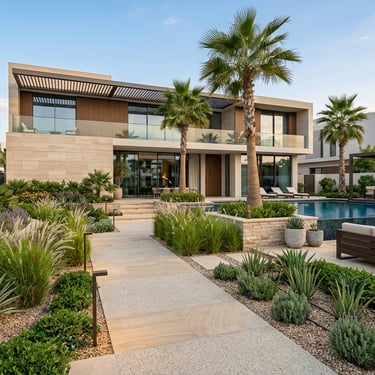
Furthermore, the layout of outdoor spaces is crucial in mitigating heat. Strategic placement of plants and structures can create shade and enhance comfort in outdoor areas, providing relief from the intense sun. Incorporating elements like water features—designed to use minimal resources—can also promote a microclimate, helping to cool the surrounding areas. Utilizing permeable materials for pathways and patios allows for better water retention and drainage, further aiding the establishment of a sustainable landscape.
Ultimately, a successful landscape design in Dubai must integrate these considerations to cultivate a visually appealing and sustainable outdoor space. By carefully selecting plants, materials, and layout, homeowners can create a resort-style villa that not only looks beautiful but also thrives in the challenging local climate, ensuring longevity and resilience.
Benefits of Smart Micro-Irrigation Systems in UAE Heat Conditions
The United Arab Emirates (UAE) is known for its arid climate, characterized by high temperatures and limited rainfall. In this context, the implementation of smart micro-irrigation systems has emerged as a revolutionary approach to landscaping that addresses the challenges posed by the heat. These advanced irrigation technologies are designed to optimize water use efficiently and sustainably, making them invaluable for maintaining lush outdoor spaces in a desert environment.
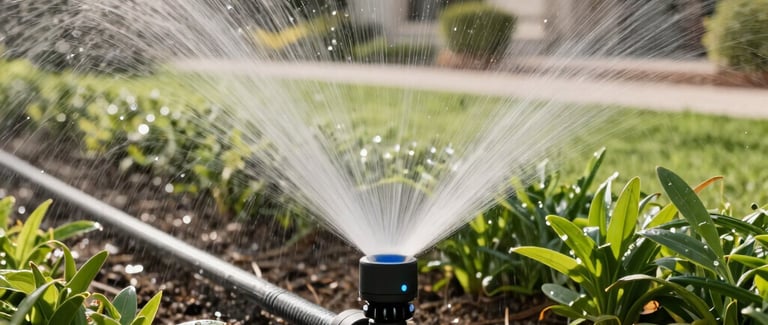
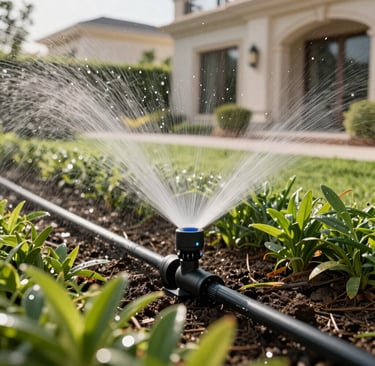
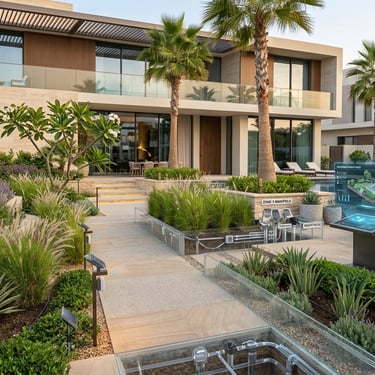
One of the primary advantages of smart micro-irrigation systems is their ability to deliver water directly to the root zones of plants. This targeted watering approach significantly reduces water wastage compared to traditional irrigation methods, which often result in excess runoff and evaporation. By utilizing timers and moisture sensors, these systems can be programmed to activate at optimal times, further minimizing water loss during the peak heat of the day.
Moreover, smart micro-irrigation systems contribute positively to plant health and growth. Providing a consistent and controlled water supply reduces the stress that plants often endure due to high temperatures. As a result, these systems not only enhance plant vitality but also promote greater biodiversity in landscaping designs, allowing for the integration of a wider variety of species that thrive in UAE's tough climate.
Additionally, the implementation of these systems can lead to significant cost savings. Reduced water consumption translates to lower utility bills, making smart micro-irrigation an economically viable solution for homeowners and businesses alike. With the ongoing emphasis on sustainability and conservation, the use of these irrigation technologies epitomizes a responsible approach to landscaping in the UAE, promoting a retreat-style environment while safeguarding precious water resources.
How Native UAE Plants Reduce Maintenance and Water Consumption
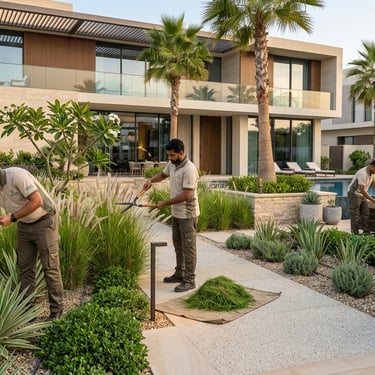
In the arid climate of the United Arab Emirates, incorporating native plants into villa landscaping not only enhances aesthetic appeal but also significantly reduces maintenance and water consumption. Native plants are well-adapted to the local environment, thriving in harsh conditions with minimal intervention. This inherent resilience allows for a substantial decrease in resource-intensive maintenance tasks, which are often necessary for non-native species that struggle to acclimate to the UAE's dry and hot conditions.
For instance, species such as the Date Palm (Phoenix dactylifera) and the Ghaf Tree (Prosopis cineraria) are popular choices in sustainable landscaping. Both are integral to the UAE's ecosystem, providing shelter and food for local wildlife while requiring significantly less water than exotic varieties. The Date Palm, known for its iconic stature, can thrive with limited irrigation after establishment, while the Ghaf Tree is renowned for its drought resistance, making it a cornerstone of sustainable landscaping in the region.
Using these native plants not only conserves water but also promotes biodiversity by creating habitats for native fauna. This encourages a balanced ecosystem where various species can thrive, thereby contributing to the overall health of the environment. Furthermore, as the demand for water-efficient solutions increases, employing native plants becomes a strategic choice for homeowners looking to reduce their landscape's environmental impact while maintaining a lush and vibrant outdoor space.
With the combination of low water requirements and minimal maintenance needs, native UAE plants present a compelling solution for sustainable villa landscaping. Their ability to flourish in local conditions makes them an ideal choice for anyone seeking to create an inviting and eco-friendly outdoor environment.
Resort-Style Villa Landscaping Trends in Dubai
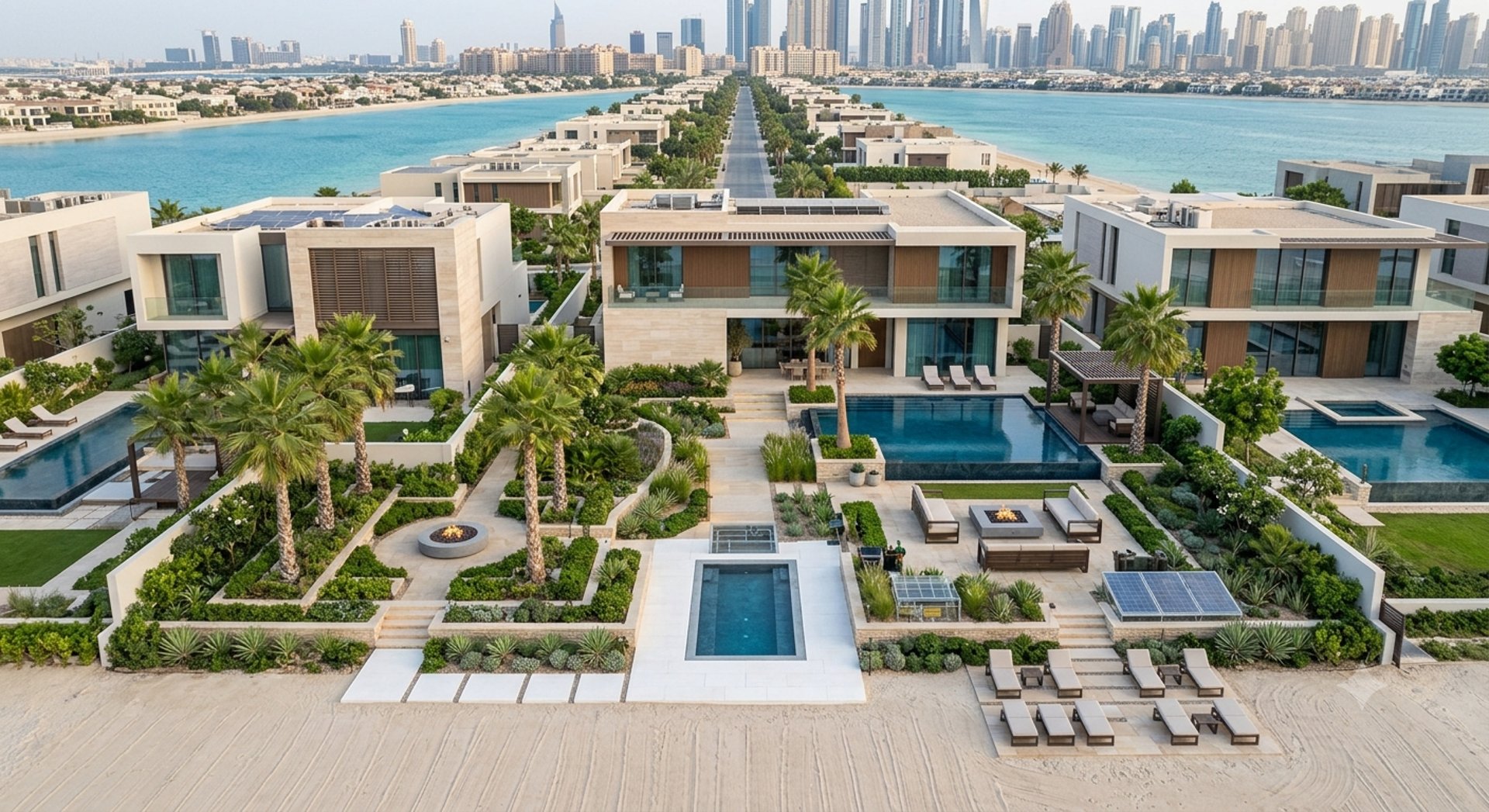
Dubai, with its luxurious lifestyle and stunning weather, finds itself at the forefront of extravagant villa landscaping trends. Homeowners are increasingly seeking to replicate a resort-style ambiance within their properties, aiming to blend opulence with serene outdoor living. This trend is accentuated by the incorporation of multifunctional outdoor spaces that not only enhance aesthetic appeal but also provide residents with personal sanctuaries.
One of the most notable elements in resort-style villa landscaping in Dubai is the integration of expansive outdoor living areas. These spaces often include comfortable seating arrangements, dining areas, and shaded lounges designed to maximize enjoyment while minimizing exposure to the sun. Outdoor kitchens and barbecues have also become popular features, encouraging social gatherings and fostering a sense of community among residents.
Swimming pools are another hallmark of luxury landscaping trends in Dubai. Homeowners are opting for pools that resemble tranquil retreats, complete with waterfall features, mosaic tiling, and ambient lighting. The design of these pools is often seamless with the overall landscape, creating a harmonious environment suitable for relaxation and entertainment. Additionally, the use of smart irrigation systems ensures these features are maintained effortlessly, allowing for lush greenery surrounding the pool.
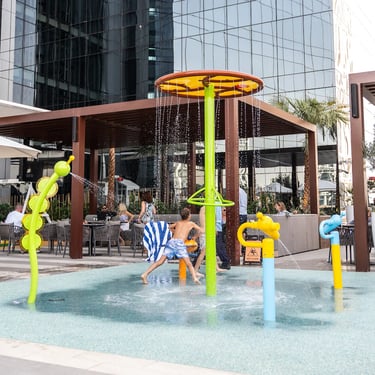
Water features, such as fountains and ponds, have also gained traction. These elements not only provide aesthetic charm but also contribute to the soothing soundscape of a villa’s outdoor space. Alongside water features, greenery plays a crucial role in achieving an oasis-like feel. A thoughtful selection of plants, trees, and flowers enhances the natural beauty while promoting biodiversity.
Ultimately, the trend towards resort-style villa landscaping in Dubai encapsulates the desire for luxurious living blended with the tranquility of nature. As residents embrace outdoor lifestyles, the inclusion of aesthetically pleasing and functional elements becomes central to their landscaping choices, making every villa a personal haven of relaxation and enjoyment.
Eurocoorg Landscaping
Sustainable landscapes for Dubai's future.
Reach out
info@eurocoorg.ae
+971 56 653 1100
Abdullah Omran Taryam Street (1st Street) in Al Sufouh 1, Dubai, UAE, near the Emirates Cooperative Society and Al Sufouh Park.
Open Daily 8 AM - 6 PM
© 2026 Eurocoorg Landscaping-Resort-grade precision since 1999.